Sick of hearing about green this and green that? Well, here are some stats that might get your attention—and help you to understand how real this phenomenon is.
- According to the U.S. Green Building Council (USGBC), more than 20,000 homes across the U.S. have earned certification through the LEED for Homes program
- Nearly 79,000 more are in the pipeline
- Green homes in general are expected to grow to between 29% and 38% of the residential construction market by 2016, according to McGraw Hill Construction.
LEED for Homes is a national voluntary certification system that provides guidance and verification that homes are designed and built to be energy- and resource-efficient, and healthy for occupants. “LEED for Homes is moving the residential market further and faster towards high-performing, healthy homes that save residents money,” said Nate Kredich, vice president of residential market development, USGBC.
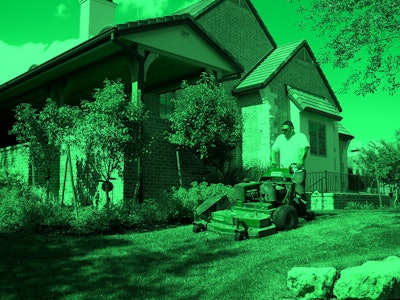
Landscaping plays a role. Landscape contractors can help builders attain LEED points in several ways. Some of the more popular include:
- Installing a rainwater harvesting system
- Installing a high-efficiency irrigation system
- Helping reduce overall irrigation demand by at least 45%
- Installing permeable lots
- Creating permanent erosion control systems
- Reducing heat island effect through things like shade trees and green roofs.