
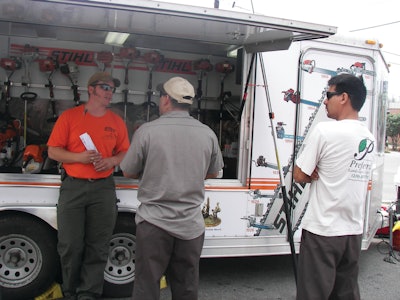
If you are like most landscape contractors, you purchase a variety of lawn care products and equipment from a variety of vendors. While it makes good business sense to procure from a limited set of vendors, it’s not always possible. Even small lawn maintenance-only companies often have to buy equipment and parts from at least a couple of dealerships.
What is possible is making sure that each of your vendors is doing a good job for you. That does not mean you’ve played softball with the owner for 20 years. Nor does it mean the sales rep slashes prices to “steal” your business from other dealerships; think about how disgusted you get when your competitors do that to you.
What it means is that a given vendor works with you as your partner. Prices are fair for the value you receive. Service is reliable. Empathy is genuine and consistent. In a nutshell: You are working together so both of your businesses can prosper.
Here are some things to think about and measure in order to ensure that you are maximizing the business potential of your vendor relationships.
Define and evaluate what matters most
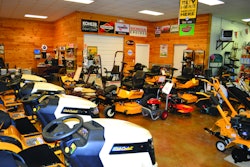
If you want to buy a new riding mower, for example, you have an idea of the horsepower, cut width and engine type/brand you’re looking for. You should also have an idea as to what you’re looking for in a vendor. Characteristics might include:
- Size of company and/or number of locations
- Years in business
- Number of servicing technicians
- Service technician training, certifications, etc.
- Service turnaround
- Breadth of product lines and availability
- Parts inventory and availability
- Ability to order online
- Access to key representatives when you have questions or concerns
The point is that you identify those traits which make a vendor partner valuable to you. Put them in a list and evaluate each of your vendors on a continual basis, perhaps quarterly but at least yearly.
You can evaluate vendors via several different methods. A simple way to do it is to merely assign “poor, adequate or good” ratings to each of the key traits you outlined. Sounds crude, but it’s effective. It forces you to remain focused on the key areas of vendor performance.
Some of the performance traits can actually have a precise piece of data assigned to them. For instance, if a vendor normally delivers same-day service on your equipment, you could assign a “1” to that trait. If the dealership’s service department is EETC-certified and STIHL Gold-certified, you can note that.
Some performance characteristics will require “yes” or “no” notations. Others, such as parts inventory and availability, might require the “poor, adequate or good” ratings. You’ll rely on your own personal experiences and instincts here to form a judgment. Also remember that you can invite input from other members of your staff if they might have some insight to share.
Recognize that not all vendors are created equal—and that your requirements of them are not all equal, either. In other words, you have different needs when it comes to your fertilizer supplier as compared to your mower dealer, for instance. Then, you might even have different needs when it comes to your mower dealer as compared to your skid-steer loader dealer.
It’s not a bad idea to separate your vendors into groupings; lawn maintenance equipment, construction equipment, lawn care consumables (i.e. fertilizer, seed, herbicide) plant materials, hardscape materials, etc. After all, each type of vendor will likely have a different set of performance characteristics you’re looking for.
Look for the things that "add value"
Each vendor will likely bring their own version of "value added" to the table, as well. By value added we mean those "little extras" that go beyond the standard but don't really add cost to the product or service.
At the same time, it could also be the case that a dealer does offer something extra, but you have to pay for it—but it is so valuable to you that you have no problem paying for it. Regardless, it's important to recognize what your vendors are and are not doing to help you run your business.
Here's a list of things which leading commercial dealers are doing to make their contractor customers' lives easier.
Understand your business. Vendors will become more of a resource for you when they take steps to better understand your business. This means they will take the time to get to know you better and learn what your business goals are.
Vendors should also become involved in the industry. This could include state, regional and national equipment dealer associations, along with various manufacturers' dealer boards. But it also includes state landscape associations, and even national associations like PLANET. Dealers who want to better understand your business will want to better understand the landscape industry in general.
Proactively present solutions. Along with your business goals, product preferences and other needs, vendors should keep track of your purchasing and service history, preferably storing the information in some kind of database. They'll periodically tap into this information in order to present solutions to you.
Solutions might include:
- Advice on when to upgrade certain pieces of your equipment fleet
- Information on special offers, such as sales promotions or unique financing
- Service reminders
- Education on new or alternative products that can help you better accomplish your goals and make more money
- Education on new products that can help you expand your business
Many dealers have actually taken on new product lines because their landscape contractor customers had expressed a need. So be sure to let your dealers know what you want to buy from them—which includes everything from mulch and fertilizer to specialty equipment you simply might want to rent from time to time.
Equipment uptime. Most dealers understand that time is money to a contractor. This is why equipment uptime is critically important. And that's why good dealers put systems in place to make sure their contractor customers are taken care of. Examples include:
- Offering priority service to a contractor who bought the piece of equipment from their dealership.
- Providing loaners when same-day service cannot be accomplished. In some instances, you have to "pay" for the loaner by having previously purchased an extended service plan or by spending a certain amount of money with the dealership each year.
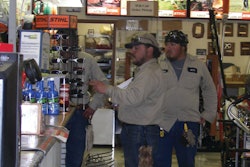
- Providing a separate, contractors-only parts counter so busy contractors don't have to wait in line behind confused homeowners
In more rare instances, some of the larger commercially focused dealers take it even further. Some offer workshops on preventive equipment maintenance. Some will send a technician into the field when one of their best contractor customers has a piece of equipment go down on a jobsite. Some work closely with contractors to help them manage their parts inventories, even delivering parts to the contractors' facilities.
The goal is to strengthen your relationship
Good dealers provide these types of perks because they want to earn your business. They want to be more than just a place where you go to buy product. They want to be your partner. When one of your vendors delivers on all three counts, you have a vendor you should build a relationship with.
Good vendors who "make the grade" should be viewed—and treated—as members of your team. Communicate with them often, openly and honestly. Discuss ways you can help each other.
Maintain good relations by paying your bills promptly. And speaking of paying, it's OK to negotiate a fair price in the normal order of business. But when determining what is fair, think about all of those ways the vendor goes the extra mile for you. Get the scorecard out that you're now using to evaluate your vendors. If a vendor is doing a great job in helping you to manage and grow your business, that vendor doesn't deserve to get bludgeoned to death on price. In the grand scheme of things, saving a hundred bucks is not worth damaging a good relationship with a good vendor.
On the other hand, if you have a vendor that isn't living up to expectation, let them know. Show them your scorecard. Remind them of what your goals are and how you're hoping they can help you. Remind them that you're willing to reward them with your loyalty if they meet this expectation. If they aren't willing, it's probably time to find a new vendor—or should we say, partner.



![Optimax Sp 0228[1]](https://img.greenindustrypros.com/mindful/acbm/workspaces/default/uploads/2026/05/optimax-sp-02281.lJdm8xL6hQ.jpg?auto=format%2Ccompress&fit=crop&h=100&q=70&w=100)



![Optimax Sp 0228[1]](https://img.greenindustrypros.com/mindful/acbm/workspaces/default/uploads/2026/05/optimax-sp-02281.lJdm8xL6hQ.jpg?ar=16%3A9&auto=format%2Ccompress&dpr=2&fit=crop&h=135&q=70&w=240)


