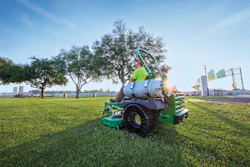
As construction, agriculture and outdoor power equipment shift from internal combustion engines (ICE) to electric power, machine reliability is becoming just as critical as power itself. For decades, engineers designed in a world of engines, belts and chains. Now they’re learning to apply the same performance mindset while navigating motors, wires and connectors, which could make or break overall equipment performance.
Unlike ICE systems, electrified machines rely on connectors to handle both high power and data transfer while withstanding rugged outdoor conditions. Dust, moisture, vibration and extreme temperatures can quickly degrade performance if connectors aren’t designed and specified correctly. And with the global electrification market projected to grow to more than $411 billion by 2033, engineers need to understand how reliability factors into design from the start, as it is key to ensuring equipment performs consistently in the field.
Why Reliability is the Make-or-Break Factor
Professional-grade equipment in construction and lawn care often runs 2,000 hours or more over its lifespan
In outdoor environments, reliability can be the difference between equipment that performs for years and equipment that fails when it’s needed most. Construction and lawn care professionals rely on machines that run all day, often logging thousands of hours of operation. When a connector fails, it doesn’t just halt productivity; it impacts profitability. For engineers, that expectation translates into a design challenge to ensure every component, including the connector, holds up to the real-world demands of their customers. Professional-grade equipment in construction and lawn care often runs 2,000 hours or more over its lifespan. To match that expectation, high-quality connectors should be rated for at least 5,000 mating cycles to ensure consistent performance year after year.
Connectors in electrified systems are facing tougher conditions than ever before. Dust, moisture, vibration and extreme temperatures can quickly wear down contact points, leading to overheating or intermittent failures. That’s why the quality and materials of the connector matter. For example, silver- and gold-plated contacts improve efficiency by allowing current to flow more easily and reducing heat at the connection point. A typical plating thickness of around one micron helps maintain low resistance and prevent oxidation over the connector’s lifetime. Skimping on plating or contact quality to cut costs can impact and shorten a connector’s life.
Sealing is equally important. A strong IP68-rated seal protects contacts from dirt and water, both of which can impact long-term performance. An IP68 kit for a DIN-style battery connector should include a clear voltage cover, rubber (EPDM) grommets, and an O-ring that together seal the contacts from dirt and moisture when mated and protect them from breaking down and an ultimately reduced efficiency and lifespan. Confirm the connector sealed rating has been tested by an independent body, and test certifications are available. Also, look for tests similar to UL50E where UL Labs has identified performance requirements for sealing and the connector manufacturer has tested and certified to those standards. With proper sealing and contact protection, many connectors can perform their entire life without ever needing to be serviced if they remain mated.
Reliability comes down to choosing the right materials, the right sealing and the right specifications upfront. When those factors align, you prevent downtime, extend equipment life and deliver the performance customers expect.
Designing Reliability from the Start
Reliability will increasingly depend on data.
Reliability can’t be an afterthought. Engineers should design with it in mind from the beginning if they want electrified systems that perform in the field. This starts with choosing components that can handle today’s power requirements while preparing for tomorrow’s.
- Design Headroom: When specifying connectors, look for designs that provide headroom for evolving voltage and current needs. As battery technology and charging systems advance, connectors must accommodate higher loads and duty cycles. Selecting components rated above current requirements ensures your design remains reliable as power demands increase.It’s better to over-spec now than risk failure later.
- Invest in Quality: Cost can be the biggest hesitation to go beyond minimum requirements, but cutting corners on contact quality or sealing may cost more down the road. A connector failure in the field doesn’t just stop a machine; it stops productivity. For an operator or crew working by the hour, even a few hours of downtime can exceed the small upfront cost difference between a low-grade connector and a reliable, well-sealed one.
- Ensure Proper Assembly: A connector is only as good as its crimp, and using the manufacturer’s specified crimping tools ensures secure connections that meet the manufacturer’s standards.
- Source Credibly: Another consideration is sourcing. In some cases, the challenge isn’t just cost but availability. As electrification advances faster than component innovation, engineers may find that higher-rated connectors, like those with IP68 sealing, are not yet widely available off the shelf. This may mean identifying new manufacturers and distributors to determine what innovations are available.
Low-cost or generic connectors are available on the market, but engineers should be cautious of options that lack verified performance data. Engineers should partner with reliable manufacturers with proven track records and accessible technical support. Working with trusted, established manufacturers helps avoid the risks of counterfeit or underperforming parts entering critical systems.
Working with an established partner means you have access to experts who understand your application and can help troubleshoot issues before they reach the field.
Reliability isn’t just about durability; it’s about designing smarter systems that keep equipment running longer and more efficiently.
Looking to the future, reliability will increasingly depend on data. As equipment becomes more intelligent, connectors will carry more power and signal contacts. For example, zero-turn electric lawnmowers include features like Bluetooth connectivity, expanded user interfaces, and LED lights; the latest battery-powered snowblowers include programming designed to match the user’s natural walking pace; and autonomous equipment like self-driving tractors and robotic lawnmowers are using advanced GPS tracking and smartphone apps to control their operation. Adding auxiliary wires for communication across components can also help systems self-diagnose issues, measure efficiency and even prevent overheating by flagging potential failures early.
Designing Smarter Systems for a Changing Industry
As electrification continues to reshape construction, agriculture and outdoor power equipment, reliability will be important to ensure peak performance. Power alone isn’t enough; machines also have to endure real-world conditions, operate efficiently, and minimize maintenance needs.
Future-proofing systems requires engineers to design with longevity in mind. Over-specifying initially, sourcing reliable materials, and engaging trusted partners that understand the demands of outdoor equipment could extend the life span of equipment by a decade while improving productivity and profitability.
Reliability isn’t just about durability; it’s about designing smarter systems that keep equipment running longer and more efficiently. Design for reliability from the start. The right materials, assembly and foresight will pay off in fewer breakdowns, easier maintenance and longer equipment life.