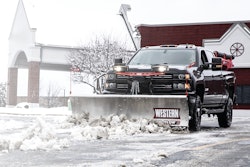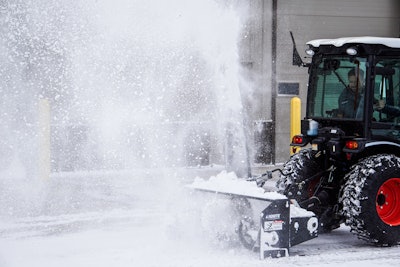
When winter storms roll in, snow removal becomes more than a matter of convenience; it is a safety-critical operation. For landscape and snow management professionals, clearing snow efficiently requires a combination of planning, precision, and respect for both the environment and the machines that do the work.
Today, more contractors rely on heavy equipment such as plows, skid steers and compact track loaders (CTLs) to manage large, complex properties through freezing conditions. Operating this equipment in extreme cold introduces added challenges, from reduced visibility to changing snow densities that affect how machines perform. Understanding these factors helps operators protect their equipment, their crews, and themselves throughout the winter season.
Here are five key safety tips to keep heavy equipment operations safe and productive in cold weather.
Prioritize Visibility: See and Be Seen
Inspect windows, mirrors, and cab lights. Defrosters should be kept running, and any condensation or frost that limits visibility must be removed.
Snow removal often happens in the dark, before sunrise, after sunset or during blinding conditions. Poor visibility can turn even simple operations into serious hazards.
Before every shift, operators should inspect windows, mirrors, and cab lights. Defrosters should be kept running, and any condensation or frost that limits visibility must be removed. Strobe lights, backup lights and reflective decals should be checked regularly to ensure other crews and pedestrians can clearly see machines on-site.
Snow poles and blade markers help define safe clearing boundaries when snow starts to drift or pile high. Operators should also reduce speed when visibility drops, as even familiar sites can appear unfamiliar after a storm.
 Ignite Attachments
Inspect & Prepare Equipment Before Each Shift
Cold weather is tough on machinery, making thorough pre-operation checks essential. Operators should inspect hoses, fittings and hydraulic lines for signs of cracking or leaks caused by freezing temperatures. Skid shoes and cutting edges should be checked for wear, and quick couplers must remain clean and free of ice buildup.
Hydraulic systems benefit from a gradual warm-up to prevent stress or internal damage. Fluid levels should be confirmed before operation, and grease fittings maintained regularly to push out moisture. Small steps in preparation ensure machines stay responsive and reduce mid-shift breakdowns.
Protect Operators in Harsh Conditions
Maintain three points of contact when climbing in or out of cabs.
Cold temperatures present physical challenges that directly affect performance and safety.
Heavy winter gear can reduce mobility and delay reaction time. Well-fitted insulated gloves, waterproof boots and high-visibility jackets help balance warmth and movement. Encouraging short warm-up breaks and maintaining cab heating systems further support alertness and prevent fatigue during long shifts.
Additionally, proper entry and exit procedures are vital during cold weather. Operators should maintain three points of contact when climbing in or out of cabs. Tracks, steps and handles can accumulate ice quickly, increasing the risk of slips and falls. The challenge intensifies when gloves, boots or bulky layers make gripping and movement more difficult.
Maintain Safe Speeds & Traction Control
Sharp turns or sudden stops can cause machines to slide or lose footing, especially on uneven ground.
Speed and traction directly influence operator safety and equipment performance during snow operations. Excessive speed can lead to skidding, loss of control, or damage to surfaces and attachments, while poor traction can limit productivity and increase accident risk.
Operators should evaluate traction conditions before each pass, adjusting travel speed based on surface type, snow depth and ice formation. Using tracks or adding tire chains improves stability on slick surfaces, but even with these aids, maintaining a controlled pace remains essential. Sharp turns or sudden stops can cause machines to slide or lose footing, especially on uneven ground.
It is also important to monitor snow compaction and buildup under tires or tracks. Packed snow can reduce traction over time, so clearing excess buildup between passes supports consistent contact with the surface. When working on inclines or near obstacles, operators should slow down further, using gradual steering and braking to maintain control.
 Ignite Attachments
Plan Snow Placement Wisely
Snow placement plays a crucial role in site safety. Poorly positioned piles can obstruct visibility, block access points or create drainage issues that lead to dangerous ice buildup.
Before winter operations begin, operators and site managers should map out areas for piling or blowing snow. Chosen locations must avoid pedestrian paths, drive lanes and emergency exits. Snow should never be directed toward buildings, vehicles or sidewalks where thrown ice may cause damage.
With the right preparation and awareness, operators can maintain safe, efficient operations throughout the winter.
Meltwater flow patterns should also be considered as temperatures fluctuate. Snow piled over storm drains or low points can freeze and refreeze, creating hazardous ice patches. A few minutes of planning can prevent injuries, property damage and callbacks later in the season.
Be Proactive, Not Reactive
Snow removal is demanding work, but it does not have to be dangerous. With the right preparation and awareness, operators can maintain safe, efficient operations throughout the winter. Focusing on visibility, thorough inspections, operator protection, controlled speeds and thoughtful snow placement ensures both crews and machines remain safe while delivering the professional results clients expect, no matter the weather.





![Doosan Bobcat Wacker Neuson Stack 2ec Js Pb V6e[1]](https://img.greenindustrypros.com/mindful/acbm/workspaces/default/uploads/2025/12/doosan-bobcat-wacker-neuson-stack2ecjspbv6e1.CPyyz8ubHn.png?auto=format%2Ccompress&bg=fff&fill-color=fff&fit=fill&h=167&q=70&w=250)