Field Integration Group (FIG) builds AI workflows and production systems that carry a company's own operating data out of the office and into the field. The firm works with commercial landscaping companies throughout the country between $3 million and $50 million in revenue.
The firm's position is one sentence: if the crew doesn't know the plan, there is no plan. Most AI work in the industry stops at the office with a faster estimate or a new dashboard. FIG builds the part that comes after, where the plan, the hours, and the quality standard reach the people doing the work.
The Gap Between the Office & the Field
Every commercial landscape company is sitting on good information. The estimate says how many hours a property should take, and the business management system knows what was sold, what was scheduled, and what it cost. The trouble is that it lands in the office and rarely makes the trip out to the property. A crew leader pulls up on Monday morning knowing the address, but not how many hours the job was sold at, which tasks those hours were meant for, or what the finished property is supposed to look like. That is how a job can look perfect on paper while the quality slowly slides.
How FIG closes it
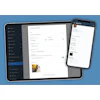
FIG starts with the operator's own production rates, rebuilt from their crews' actual production instead of borrowed from a rate book. From those rates, the firm builds AI workflows that handle the estimate, the schedule, and the weekly report, then turns that work into a plan the crew can use: the scope written in the crew's language, the hours each task should take, and a clear picture of what done looks like. What happens in the field comes back to the manager, so the next conversation with the crew is about coaching and not guesswork.
FIG works as an advisor on fixed fees and does not tell operators which brand to buy. Robotics comes last, and only where the numbers support it.
The Bottom Line
The value shows up in the places an owner already watches. Crews spend more of their paid hours on the property and fewer behind the windshield. An estimate built on the crews' actual production is a price the field can hit, and a property running hot shows up in the first few weeks while there is still time to act. Managers get their evenings back to walk the properties, coach the crews, and build relationships with customers, which is where renewals and ancillary work come from.
"The systems we build are not for the office, they are for the field," said Andy Hawley, Principal of Field Integration Group. "Operators are not short on data. They are short on a plan to get it to the crew leader standing on the property at 7 a.m."
Operators can book a free Integration Fit Check, a 30 to 45 minute call that looks at the systems they run and the records they keep, with a written summary the same day.