Technology evolves at lightspeed these days. After all, just think of all the things the phone/camera/computer in your pocket can do. But technological innovation isn’t limited to tech companies. In recent years, there’s been a boom of innovative upgrades helping landscape pros deliver newfound productivity, efficiency and performance.
Innovation is often the solution to a challenge. In the case of landscape pros, many are facing the same challenges: labor shortages and rising labor costs, crew productivity, equipment downtime due to maintenance issues and a demand for measurable performance and metrics. The goal of equipment manufacturers across the industry is to help customers work faster, stronger and better. Here are some innovations to do just that.
Autonomous Mowers
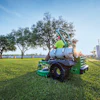
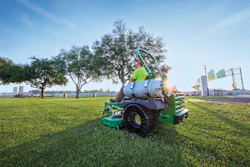
Some of you may raise your eyebrows at the sight of those two words next to each other, but autonomous technology is just another tool to help you and your crews take on more jobs in less time. It’s a supplement, not a replacement.
Labor force issues are persistent, as are labor costs. Autonomous mowers help solve for both. Right now, they can be utilized to handle simpler, more tedious tasks like maintaining smaller lawns. With that taken care of, crews are freed up to tackle more involved work like edging, planting or hardscaping.
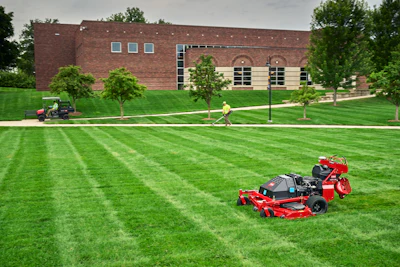
Fleet Management Tracking
 The Toro Company
What may be even more valuable is the ability to monitor equipment health to stay current on maintenance intervals and avoid costly downtime. With these insights, you’re better positioned to make smarter financial and operational decisions.
Cutting Deck Engineering
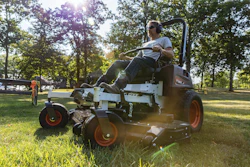
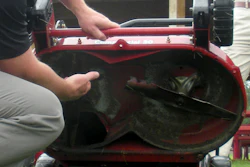
Sometimes innovation comes in the form of high-strength steel. A big, tough cutting deck offers a few advantages. First, a wider cutting width means fewer passes, which significantly reduces mowing time. Second, high-strength materials better resist bending and cracking, standing up to rocks, roots and debris without warping. That will help you save money over time by fixing or replacing fewer parts.
Comfort-Focused Features
 The deck of the Z Master 4000.The Toro Company
Better suspension absorbs the bumps and vibrations that add up over hours of mowing, while ergonomic handles and reduced-vibration technology help minimize hand and wrist strain on trimmers and blowers.
Electric Equipment
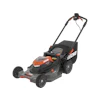
Depending on where the job is located, you or your crew may be subject to noise level or emission regulations. If the property has strict rules in either area, battery-powered equipment can help you get the job done with less noise and fewer emissions while delivering the same results.
Battery technology has come a long way and most modern battery-powered equipment match the runtime and performance of gas-powered counterparts. Plus, fewer moving parts means less maintenance and fuel savings.
We’re a few months into the year, but it’s always a good time to think about how to best boost your bottom line. Whether it’s leaning on autonomous mowers to free up your crew, tapping into fleet data to reduce downtime or investing in equipment built to last, today’s technology is designed to help landscape pros get ahead of the challenges they face.