Building an equipment budget before the busy season helps landscaping contractors prepare for unexpected repairs, manage cash flow, and make informed investment decisions that support long-term business growth. A smart equipment budget considers both initial purchase costs and total ownership expenses including maintenance, repairs, and eventual replacement.
- Assess your current fleet, anticipated workload, and business goals before investing in new equipment to ensure purchases address real operational needs.
- Total cost of ownership includes fuel, routine maintenance, repairs, and replacement costs—not just the initial purchase price.
- Schedule routine maintenance and inspections in advance of peak demand to reduce downtime risks when crews have packed schedules.
- Compare financing options carefully, looking beyond monthly payments to understand interest rates, fees, and total cost over the financing period.
- Work with your equipment dealer to understand machine capabilities, maintenance requirements, service availability, and long-term support before making purchases.
As landscaping crews head into the busy season, equipment reliability and availability become critical. An unexpected repair, equipment failure, or new project can strain cash flow and reduce productivity when crews are operating at full capacity. Building an equipment budget before the season starts can help contractors prepare for these challenges.
Equipment budgeting should account for both new purchases and the ongoing costs of operating, maintaining, and eventually replacing existing machines. Planning equipment needs before the busy season gives contractors more time to make informed investments, prepare for potential expenses, and avoid rushed decisions.
Analyze Your Business, Then Make a Plan
Before investing in equipment, contractors should assess their current fleet, anticipated workload, and business goals. Understanding where additional equipment can improve efficiency or address operational challenges helps ensure purchases support the business, rather than create unnecessary expenses.
Current and future equipment needs: Before investing in a new machine, factor in whether the purchase addresses an immediate challenge, supports longer-term business goals, or accomplishes both.
Expected workload and growth: Consider the services your business offers, anticipated workload, and growth opportunities. If you plan to expand into new services or take on larger properties, determine what your current equipment can handle. Make sure any new purchase addresses a clear business need and that the expected revenue can support the investment and its ongoing operating costs.
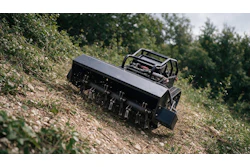
Property types and applications: Evaluate the properties your crews service, including open areas, slopes, uneven ground, and areas with trees or other obstacles. These conditions can help you identify the equipment capabilities needed to work efficiently. Consider machine size, maneuverability, traction, lifting capacity, and attachment compatibility, especially when equipment will be used across different properties and applications.
Limitations of current equipment: Before adding machines to your fleet, assess how existing equipment performed during the previous busy season. Identify which machines were underutilized, which reached capacity during peak periods, and whether equipment limitations reduced productivity or caused you to turn down jobs. Use these insights to prioritize purchases that support your business goals and fit your budget.
Ownership Is More Than the Initial Purchase
Equipment costs extend beyond the initial purchase price. Fuel consumption, routine maintenance, repairs, and eventual replacement all contribute to the total cost of ownership and should be factored into equipment investment decisions.
Consider how frequently each machine will be used and the demands of its applications. Equipment operating under heavy workloads or challenging conditions may experience greater wear, making it important to understand how usage and operating conditions affect long-term costs and equipment life.
Don’t wait until equipment fails to consider a replacement. Get ahead and establish a replacement plan based on operating hours, repair history, reliability, and performance. As machines age, compare the costs of continued maintenance and potential downtime with the investment required for a replacement. Factoring in resale or trade-in value can also help contractors determine when replacing equipment may make more financial sense than continuing to repair it.
Productivity and Utilization Are Part of the Investment
Contractors should weigh upfront costs against potential productivity gains. A higher-priced machine may deliver greater value over time if it is used consistently, reduces labor hours, or helps crews complete more work. Choosing equipment that matches the tasks your crews perform most often can help maximize utilization and avoid paying for features that rarely get used.
For example, a mower with a wider cutting deck may not be the best investment for contractors who primarily service properties with tight spaces and obstacles. Selecting equipment based on the work it will perform most often can help improve efficiency and make better use of available capital.
Operator comfort and ease of use also deserve consideration, particularly when crews spend long hours operating equipment. Features that reduce fatigue and simplify operation can help operators work more comfortably and help maintain productivity throughout demanding workdays.
Budget for Maintenance Before the Season Starts
Use manufacturer-recommended service intervals, anticipated operating hours, and previous repair records to estimate maintenance expenses before the busy season begins. Schedule routine service and major equipment inspections in advance of peak demand. Addressing potential issues early can help reduce the risk of downtime when crews have packed schedules.
Assess your team’s ability to handle maintenance in house and identify when dealer support may be needed. Planning for outside service in advance can help reduce delays when repairs are required. Equipment downtime carries costs beyond the repair itself including lost productivity, delayed projects, and potential disruptions to customer schedules.
Consider Financing Options
Equipment purchases should support business growth without placing unnecessary pressure on cash flow. Compare paying cash with available financing options based on your budget, anticipated revenue, and other operating expenses.
Ask your dealer about manufacturer financing programs, incentives, and payment terms. Look beyond the monthly payment to understand interest rates, down payments, fees, and the total amount paid over the financing period. A lower monthly payment may be appealing, but it does not necessarily mean a lower overall cost.
Consider how equipment payments will fit into seasonal cash flow, particularly during slower months when revenue may decline. Preserving available capital for payroll, supplies, and other operating needs may be just as important as securing favorable financing terms. Maintaining some flexibility in the equipment budget can also help contractors respond to unexpected repairs, replacement needs, or new business opportunities during the season.
Involve Your Dealer in the Decision Process
A knowledgeable equipment dealer can be a valuable resource when preparing for the busy season. Beyond helping contractors identify machines and attachments suited to their workloads, dealers can provide guidance on ownership costs, maintenance requirements, and long-term support.
Dealer expertise is particularly helpful when expanding into new services or purchasing unfamiliar equipment. Ask about a machine’s capabilities, maintenance schedule, and available service options to better understand the requirements of ownership.
Before committing to a purchase, evaluate the dealer's long-term support, including parts availability, service capabilities, and typical repair turnaround times. Reliable support becomes especially important during peak season, when extended equipment downtime can affect project schedules and customer commitments.
A successful equipment budget isn't just about determining what a business can afford to purchase. It's about understanding which investments will help crews stay productive, manage operating costs, and support long-term growth. Regularly reviewing equipment performance and changing workloads can help contractors make informed decisions about replacements and new purchases before a breakdown forces a rushed decision.