
One of today’s biggest business marketing challenges is earning attention from people constantly consuming information across their work and personal environments.
Once marketing breaks through the noise, it must make it easy for a customer to make a call, complete an online form or send a text or email, notes Jason Schmaderer, Swanson Russell executive vice president, group account director. The challenge isn’t visibility, he says, but being relevant at the right time.
According to Nazaré McCue, Jobber senior director, product and lifecycle marketing, Jobber’s 2026 Home Service Trends Report found more than 55 percent of homeowners expect a reply within the hour and 28 percent expect one immediately. “That's a high bar for a business owner also managing a crew, handling job scheduling,” says McCue. She adds that the businesses that learn how to show up consistently online and respond quickly are the ones pulling ahead.
Kyle McCarthy, founder of Marketing by McCarthy, notes many landscaping companies still rely heavily on traditional advertising tactics, yet the companies pulling ahead are those that understand how to build trust, demonstrate value, and stay consistently visible in their market.
“Homeowners have lots of options to choose from and can become overwhelmed with them,” McCarthy adds. “Standing out is no longer just about being seen — it is about being trusted. Many contractors struggle with consistency in their marketing efforts and lack clarity on what is actually driving revenue versus what simply feels productive.”
Adam N. Linnemann, green industry consultant, notes it’s important to try different campaigns, track marketing dollars and understand where leads are being generated.
Advice differs on how much to budget for marketing differs, with up to 10 percent being a benchmark and whether a business is trying to grow more quickly or enter a new market.
You can’t rely on one thing like an ad, a website or door hangers to carry your marketing anymore."
—Jason Schmaderer, Swanson Russell
More Opportunities, More Complexity
Schmaderer says while five to 10 years ago, there were already multiple channels and touchpoints, but that complexity has only accelerated with AI creating both new opportunities but more noise.
“It’s easier than ever to produce content, but much harder to create something that actually stands out or drives action,” he says. “You can’t rely on one thing like an ad, a website or door hangers to carry your marketing anymore. Winning businesses make sure those pieces connect and reinforce each other based on how customers actually research and make decisions.”
Marketing today is “no longer just about running ads, generating word-of-mouth, or having a website,” McCue says, but generating a pleasant experience for customers through quick replies to requests and ease in booking an appointment.
McCue says her company notes more home and commercial service businesses seeking tools to help track where work is coming from so they can focus on what’s actually driving revenue when dollars and time are at a premium.
 The Green Executive
While companies at one time could run ads, generate leads, and grow relatively predictably, today’s customers are researching online, reading mostly Google reviews, browsing social media, and form opinions long before making contact, says McCarthy.
“Companies must show up consistently, demonstrate real results, and build trust in advance rather than relying solely on lead generation,” he notes.
Schmaderer notes most foundational marketing principles such as understanding the customer, delivering a strong product or service and creating positive experiences leading to good word-of-mouth still matter, but now business is won through an alignment of reviews, websites, advertising and on-the-job experience.
While 59 percent of pros indicate referrals and repeat work is still their top lead source, notes McCue, the most successful businesses ask for reviews after every job, keep their online presence current, or stay active in their local community.
McCarthy says that "content builds trust over time by showcasing transformations, highlighting processes, sharing expertise, and giving potential customers a sense of who they are working with."
There isn’t a ‘go viral’ button, there is a ‘relevance’ button with relevant educational and entertaining social media content."
—Jason Schmaderer, Swanson Russell
Compelling Content Converts Into Leads
While there isn’t a ‘go viral’ button, there is a ‘relevance’ button with relevant educational and entertaining social media content, says Schmaderer. "Do that, and the shareability will come.”
McCarthy notes advertising accelerates results by converting attention into leads, most often with a discount or first-time customer incentive.
Linnemann says that while texting campaigns have become more stringent and email campaigns more popular, to not underestimate simple yard signs, truck lettering and door-to-door sales.
Social media videos featuring the owner/operator showcasing work and educating reach further than pictures, notes Linnemann.
Schmaderer explains that social media has pushed companies — especially small businesses — into a constant public relations and reputation management role; some contractors even become influencers in their space.
Each social media platform has unique style and benefits, says Schmaderer:
- Many small businesses use Facebook instead of a website for the number of people on the platform, the content variety and ability to connect directly with customers.
- Instagram is best for engaging video content and telling strong stories.
- YouTube is best for educational or long-form content and creating visual ‘how to’ content, aiding in how well a company appears in Google searches and is an optimal ad venue.
- TikTok is useful for short-form, vertical video but is a serious time investment.
SEO Attracts Attention
"43% of home service businesses don't clearly list their service areas on their website, 65% don't show business hours, and 74% are missing an FAQ section entirely."
—Nazaré McCue, Jobber
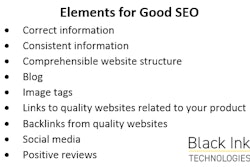
Search engine optimization (SEO) remains highly important, particularly for local service businesses with competitiveness requiring ongoing effort, McCarthy notes.
A strong local SEO foundation includes an optimized Google Business Profile, a steady stream of high-quality reviews, and location-specific service pages, he adds.
Keywords are critical, notes Linnemann, adding most every page on a company website should mention where a company works. Specific landing pages are crucial.
McCue notes “our platform data found that 43 percent of home service businesses don't clearly list their service areas on their website, 65 percent don't show business hours, and 74 percent are missing an FAQ section entirely — the information homeowners and the AI tools they are using to look for when deciding who to call.”
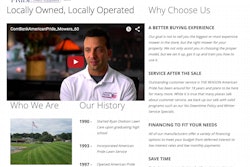
 Positive customer experiences and quality work still drive word-of-mouth referrals, but modern landscape customers are also evaluating companies online through reviews, websites and visual project examples before making a decision.SiteOne Landscape Supply - photo by Nate Luke
How to Gauge ROI
"In a growing business, you need to understand which tactics drive leads and how to close them quickly,” McCue says. “Consider the return on investment (ROI) of customer re-engagement.”
“Publishing project-based content further strengthens local relevance,” says McCarthy. “True ROI comes from understanding cost per lead, lead-to-close conversion rate, average job value, and customer lifetime value, allowing companies to measure how each marketing channel contributes to actual revenue.”
Linnemann notes it’s important to document in CRM software where leads come from.
 Online search and AI have changed how customers are searching for professional home services.Jobber
With negative reviews, Linnemann advises to ask a client if they will provide an updated review once the problem has been resolved.
Not every issue can be resolved. “A troll wants to complain in public spaces, and aren’t interested in solutions," says Schmaderer "Treat every complaint with the same strong customer service mindset. But if you provide the next steps and they’re still disinterested, stop engaging with them.”
McCarthy advises asking satisfied customers for a review immediately after job completion, responding to all feedback, and incorporating reviews into broader marketing efforts.
“Marketing should be focused on driving growth in a more direct and measurable way,” Schmaderer says. “Companies that take the time to build a clear plan and track what’s working are the ones that will have an advantage moving forward.”



![Simpro Rain 56kf9v I2zt[1]](https://img.greenindustrypros.com/mindful/acbm/workspaces/default/uploads/2026/08/simpro-rain56kf9vi2zt1.mgmjp7ebU4.jpg?auto=format%2Ccompress&bg=fff&fill-color=fff&fit=fill&h=100&q=70&w=100)



![Simpro Rain 56kf9v I2zt[1]](https://img.greenindustrypros.com/mindful/acbm/workspaces/default/uploads/2026/08/simpro-rain56kf9vi2zt1.mgmjp7ebU4.jpg?ar=16%3A9&auto=format%2Ccompress&bg=fff&dpr=2&fill-color=fff&fit=fill&h=135&q=70&w=240)
