It’s easy to prevent heat exhaustion when you’re mowing lawns, landscaping, and trimming trees in summer. Cold water — sometimes from a customer’s garden hose — can be a real life saver when the heat index tops 100° F. Starting earlier to avoid the heat of the day and taking breaks helps too. Even better if you’re near an ocean to cool off in for a few minutes.
Here are a few tips from green industry pros to stay hydrated and out of the hospital.
Editor's Note: Heat exhaustion hits close to home for Jeff. His uncle, Paul Keeven, collapsed in the heat and died in a sod field at the family business outside St. Louis. We offer our deepest condolences and hope that the following will provide the information needed to save some green industry pros from heat exhaustion/heat stroke and keep them from ending up in the ER.
Signs of Heat Exhaustion
Heat exhaustion kills. OSHA estimates around 560 workers die from heat exposure every year, and more than 24,000 suffer heat-related illnesses or injuries on the job.
The vast majority of heat-related ER visits occur from May to September, the hottest time of the year and peak season for lawn mowing crews and landscapers.
Recognizing the signs of heat exhaustion before they escalate to heat stroke — which can be life-threatening — can make all the difference.
Watch for these warning signs:
- Heavy sweating
- Cool, pale, or clammy skin
- Fast or weak pulse
- Nausea or vomiting
- Muscle cramps
- Tiredness or weakness
- Dizziness or lightheadedness
- Headache
- Fainting
Chelsea Morris, owner of High-Class Grass, of Virginia Beach, says she suffered what she believes was heat stroke years ago.
I pay really close attention to how my body feels in the heat. If I start getting dizzy, I stop. Headaches are another big one for me. I can usually tell the difference between a regular headache and a heat headache. If I start getting one, I'll either take a long break or call it a day and come back around 4 p.m. when the sun isn't beating down as hard.
Heat stroke – which can follow heat exhaustion if left untreated – has these symptoms: high body temperature, confusion, slurred speech, or loss of consciousness. If you or a crew member shows signs of heat stroke, call 911 immediately.
4 Heat Exhaustion Prevention Strategies
1. Start Early and Dress Smart
The hottest part of the day typically falls between 10 a.m. and 4 p.m. Structuring your schedule around that window – starting earlier and taking a midday break – can dramatically reduce heat exposure.
Justin Stultz, owner of Wildflower Lawn Care in Hutto, Texas, follows a routine to beat the heat:
I make sure to take breaks if I need them, I carry lots of water, and I start early. I'm usually making sure I stay completely covered with something that protects me from the sun, like light-weight athletic hoodies, neck gators, and bucket hats.
It may seem strange to wear more clothing in the heat, but lightweight, breathable layers that shield skin from direct sun can actually keep your body temperature lower than exposed skin baking under UV rays.
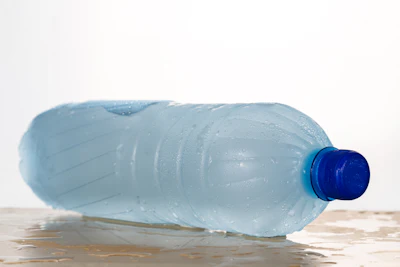
 Jesse Nunez, owner of Clean Cut Landscaping (Englewood, Colorado), freezes his water bottle every night and drinks the cold water all day long to cool off. Clean Cut Landscaping
2. Drink Water and Pack Cooling Aids
Dehydration is the fastest path to heat exhaustion. By the time you feel thirsty, you're already behind. Drink water consistently throughout the day, and replenish electrolytes lost through sweat.
Fruit is a good source of electrolytes, so Morris keeps frozen cherry mixed fruit cups stocked, calling them perfect for staying cool and keeping my energy up.
Here’s how Morris stays hydrated:
I freeze 2 gallon jugs of water every night and pack them in my cooler. By around 9 or 10 in the morning, they're melting and that's what I drink throughout the day.
I take plenty of breaks and absolutely take advantage of customers' water hoses.
3. Cool Off
To cool off, Morris keeps damp towels in her cooler. "I also keep a couple damp hand towels or bandanas in there," she says. "Wiping your face and neck down with a freezing cold towel when you're getting overheated feels amazing and really helps cool you off."
Based in Virginia Beach, the best way for Morris to cool off is to jump in the ocean for a few minutes when she's nearby.
4. Take Breaks
There's a tendency among green industry pros to push through. The lawn's waiting. The schedule's packed. But that mindset is exactly how people end up in an ambulance.
"The grass will still be there, so I've got no problem taking 10 to 20 minutes to cool off," Morris says.
Stultz agrees: "I just make sure to take breaks if I need them."
OSHA recommends following a work/rest schedule when the heat index is high, particularly for workers who haven't yet acclimated to the heat. New employees and those returning from a break of several days should start with shorter shifts and lighter duties and build up over one to two weeks.
For Crew Leaders and Business Owners
If you manage a team of green industry pros, heat safety is your responsibility, not just theirs.
Best practices to protect your crew from heat exhaustion include:
Provide cool water close to the work area and encourage workers to drink a cup every 15 to 20 minutes.
Work around the hottest part of the day. Schedule the most demanding tasks for the cooler parts of the day.
Ensure workers know the signs of heat illness and feel empowered to speak up — or stop working — before a situation becomes dangerous.
Buddy up workers so a co-worker can recognize if a colleague is in distress.
Know where the nearest emergency facilities are on every job site.
Take a Few Steps Now to Prevent Heat Exhaustion
Heat illness is preventable, and taking steps now doesn't require expensive equipment or complicated protocols – just start early, stay hydrated, take breaks, and pack some wet towels in your cooler.
Put your health before the schedule. As Morris says, "No lawn's worth risking your health over."