
Outdoor power equipment (OPE) doesn’t always have a big, dramatic blow-up before it fails. Most of the time, there will be clues that a tool needs to be repaired or replaced. Maybe you notice the trimmer is losing power. Or the blower starts to give you problems earlier than normal. Your saw starts up, only to bog down as soon as you start to tackle any heavy work.
Being able to recognize the little warning signs is important, because if you don’t regularly maintain and repair your tools, you might be dealing with an even bigger problem.
Fortunately, the most common problems really aren’t all that difficult to identify and fix. Even when you’re in the field, knowing what to look for first will help you determine if it’s a basic maintenance issue or something deeper is going on. This is especially true if you’re dealing with high-speed two-stroke equipment, where heat, load, and airflow play a huge role in how well tools can handle a job.
Always Start with the Obvious
- Fuel
- Spark plugs
- Air Filter inspection
- Airflow
Fuel. Sometimes the easiest fix is the most obvious one. Start by looking at your fuel.
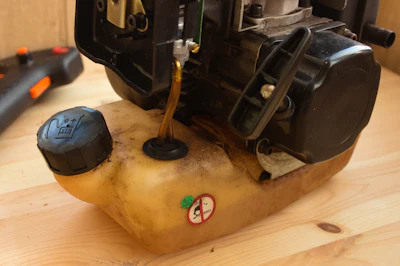
Dirty or old fuel, water contamination, and poor storage practices cause more equipment issues than you might think. If your tool starts and idles but quits or stalls as soon as you open the throttle, the first thing you should look at is fuel delivery. A plugged filter can cause this type of problem, and if you have high-use or commercial equipment, it can happen more quickly than you might expect.
Spark Plugs. Spark plug inspection is next.
Skipping the basics and replacing parts before you know what the real issue is can lead to unnecessary repairs.
The spark plug is a simple part that’s worth checking early on. You might be dealing with an easy fix and can avoid chasing the wrong problem. When a plug is fouled with carbon, oil, or fuel deposits, is worn, or has the wrong heat range, it can cause hard starting or loss of power under load.
Air Filter Inspection. Air filter service and inspection is paramount in ensuring optimum power output and preventing dirt from entering the engine. Many times, air filter service is overlooked. A typical two-stroke engine running at 9,000 rpm will have 150 air intakes per second. At that speed, the air filter is under constant vacuum, and a dirty or damaged air filter can pull that dirt into the engine quickly, resulting in major engine damage.
Airflow. Finally, check the cooling air intake.
A blocked cooling air intake can cause equipment to run hotter and result in engine failures from overheating. On blowers, if leaves and debris are pulled into cooling systems, it can create a problem before you even notice it’s happening. Trimmers and other handheld tools are also prone to similar issues if fuel spills or debris collects around the engine cooling air intakes.
When the Engine Won’t Start or Exhibits Performance Issues
No-starts and hard-starts often come down to fuel, ignition or compression issues. If an engine cranks but doesn't fire, check the spark plug and ignition systems. If your tool starts but doesn’t stay running, check for fuel restriction or carburetor trouble.
Stalling is frustrating because it doesn’t always happen right away. A tool might run fine for a minute or two, only to cut out once it’s accelerated or under load. If this happens, it may be due to a clogged fuel filter, an internal carburetor blockage or a fuel system issue that appears only when engine load increases.
Flooding can make starting difficult, especially if the carburetor needle is leaking or your tool has been sitting for any length of time with contaminated fuel.
When you’re trying to diagnose an engine problem, it’s important not to jump ahead. Skipping the basics and replacing parts before you know what the real issue is can lead to unnecessary repairs. Most of the time, the symptoms will tell you where to start. Slow down and listen.
Power Loss Under Load
Reading about diagnostics is one thing, but seeing how and where problems show up on real tools is something else.
If a tool starts but loses power, the problem may not be mechanical failure at all. It could be load-related. For example, having too much line on a trimmer can overload the engine or create clutch issues. A crushed or missing tube changes how a blower performs, throwing off both output and cooling. Operating a chainsaw with a dull chain means leaning harder on the saw, which creates more heat and wear.
This is why regular maintenance is so critical for longevity. Something as simple as a dull chain, clogged exhaust screen or restricted cooling intake means a tool can’t cut, move air properly or breathe.
You should also check the spark arrestor screen. When carbon builds up, the engine may not accelerate to wide open throttle and lose power. This is a part that’s often ignored until it starts causing more serious trouble.
Small Mistakes, Big Problems
Downtime can be the result of maintenance habits that you might think aren’t a big deal. For example, skipping routine equipment maintenance as listed in your operator’s manual, such as air filter service and cleaning the cooling system can cause tools to fail. Greasing gear cases and drive shafts are often overlooked when performing maintenance. This doesn’t always create immediate failures, but can lead to costly repairs and downtime.
Hedge clippers are a good example of this. Not regularly greasing the gear case can cause extreme wear on the gears and bearings, leading to major repair later. This is also true if you’ve spilled fuel or have a leaking fuel system around any cooling air intake, which can allow dirt to collect much faster, choke airflow and cause a tool to overheat.
Aftermarket parts can cause more issues than they help. Although they can be cheaper, non-manufacturer-approved filters or replacement carburetors don’t always seal correctly or work as efficiently. More often than not, using aftermarket parts will create new, bigger and more expensive problems. If your tool has been running perfectly fine but suddenly starts having issues after you’ve installed a non-genuine part, you might have found the culprit.
Troubleshooting the Right Way
If there’s one habit you should prioritize, it’s this: check the simple things first.
The best service techs don’t guess. They know how to look for issues in a logical order. It’s okay to start with the easy stuff. Check things like the fuel quality and level. Inspect filters. Look at the spark plug. See if the throttle fully opens. Check whether the cooling and exhaust passages are restricted. If you’ve gone through all the basic checks but are still having issues, it’s time to move into more advanced testing.
This approach saves both time and money. Misdiagnosing a problem can mean paying twice to get your tool running again. Having a steady, clear process in place and performing routine maintenance improves the life of your tools and reduces overall downtime.
It’s worth pointing out how crucial hands-on training is. Reading about diagnostics is one thing, but seeing how and where problems show up on real tools is something else. The more familiar you are with how specific engines behave under stress, the faster you’ll be able to identify what’s normal and what isn’t.
The Habit That Helps Most
If there’s one habit you should prioritize, it’s this: check the simple things first. Fuel, filters, spark plugs and airflow are the basics. Fixing these solves a lot more problems than most people realize.
We’re not saying that every issue will have a quick fix. There are times when your tool might need a deep, skilled service. But starting with some of the more common, obvious issues first can prevent small problems from turning into big (costly) ones. When you’re running a busy crew, it can mean the difference between finishing the day and losing half of it to an issue with your tool.







![Makita Gbu03 Zv Action Shot 4[1]](https://img.greenindustrypros.com/mindful/acbm/workspaces/default/uploads/2026/07/makita-gbu03zv-action-shot-41.DNvgFdwJXm.jpg?ar=16%3A9&auto=format%2Ccompress&dpr=2&fit=crop&h=135&q=70&w=240)