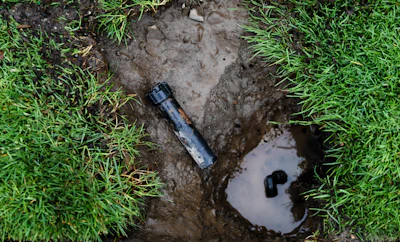
Our most common after-winter preparation for folks who didn’t freeze prep is damaged backflow preventers. The backflows are brass conductors that connect the cold well, and many are above ground in Texas, especially in areas with septic systems.
When water gets trapped inside the valves or backflow preventer, that expansion pushes outward with incredible force. Plastic fittings split. Brass bulges, bends, or cracks, and internal seals or o-rings distort.
How Freeze Problems Stay Hidden Until Startup
Most often, you don’t know the damage is there until after the thaw, and the leaks show. Often, we don’t get the repair calls until spring, and some folks leave the system off until then.
That can cause delays when many folks call at once during the spring, as we get our springtime rush.
Most customers call because they notice:
- Water is pouring from the backflow
- A high water bill
- A zone that won’t shut off
- Soggy grass near the foundation
- A system that won't turn on (if the water is off)
It’s not uncommon for residents to forget that the damage occurred months earlier during the freeze, out of sight, out of mind, as they say.
 American Irrigation Repair
The most common damage that gets overlooked is leaks on the main line or on control valves. These items can get damaged, especially when temps drop into the lower 20’s or teens. Many times, customers don’t know of the issue until they get a high water bill.
Sometimes, backflows are in boxes below ground or are wrapped in insulating material that makes it difficult to see damage. The issue generally surfaces as a growing wet area in the lawn.
What Parts of the System Break the Most?
Hands down, the #1 and most expensive to fix victim is the backflow preventer.
Why?
Because it sits above ground, exposed to wind and temperature swings. The brass often conducts the cold much better than plastic. PVC does freeze, but it seems to have much more give than brass. Special considerations need to be taken for backflow preventers to protect your wallet.  American Irrigation Repair
- Shut off the water supply to the irrigation system. Locate the isolation valve and turn it to the off position. Tag it, label it, or take a photo so it is easy to find later or in an emergency.
- Turn the controller off. This keeps the system from energizing the valves and prevents unnecessary wear on electrical components while the system is not in use.
- Relieve pressure in the system. Open a manual drain valve if you have one, or open a test cock or outlet on the backflow preventer to let built-up pressure escape.
- Drain or remove the backflow preventer. Open the test ports and allow water to empty completely. Brass ball valves should be left at a 45-degree angle so trapped water cannot sit inside the valve and freeze. If unions are installed, removing the backflow and storing it in a heated area until spring is the best protection possible.
- Insulate any above-ground piping and the backflow device. Foam sleeves and protective covers can help reduce exposure to cold temperatures, but they should be used along with draining the system, not instead of it.
Taking these steps before freezing weather arrives can prevent most of the expensive repairs we see when systems are turned back on in the spring.
A Little Prep Goes a Long Way
Winter irrigation damage usually doesn’t happen all at once. It starts during a hard freeze, sits unnoticed for months, and then shows itself the moment the system is turned back on in the spring. By then, what looks like a sudden issue is actually damage that’s been there since winter.
The upside is that most of these problems are very preventable. Turning off the water supply, relieving pressure, draining the backflow, and adding insulation to exposed components can make a huge difference. These are small steps that take very little time compared to the cost and hassle of repairing cracked brass, split fittings, or hidden leaks later on.
At the end of the day, irrigation systems usually aren’t ruined by the cold alone. They’re damaged by water that was left inside when temperatures dropped. A little preparation before a freeze can help you avoid surprise leaks, high water bills, and a stressful spring startup.