For some landscape contractors, the fall signals the start of the slow season. But savvy contractors know this time of year is more than an opportunity to recover after the busy growing season. It’s a chance to strengthen business during the offseason and beyond.
From offering new services that keep crews active, to preparing for spring demand and evaluating the previous season, contractors that hustle during the offseason to generate revenue and plan for the future are setting themselves up for success.
Offer Landscape Work that Fits the Season
Heading into the fall, there are several services most landscape contractors offer: aeration, overseeding, fertilizing or dormant seeding. But there are other, less-offered services that can make a contractor stand out.
While it may seem counterintuitive, fall is one of the best times to plant perennials, ornamental grasses, bulbs, and flowering trees. The cooler air and warmer soil create a good environment for strong root development. To encourage customers to act on this during the offseason, contractors can position fall planting as an investment in a healthier landscape once spring arrives.
Contractors can also evaluate properties for drainage issues. Following a rainstorm, look for signs of standing water, erosion or runoff, and bring those concerns to customers. That can lead to projects like installing French drain systems or catch basins. If crews are already familiar with irrigation or hardscape installations, adding drainage services shouldn’t be a major lift.
Before the temperature drops below freezing, landscape contractors can also offer winterization services like shutting down irrigation systems for the season, mulching or providing frost protection for plants. These projects give contractors another reason to stay connected with customers after the traditional maintenance season ends.
 SiteOne Landscape Supply
Expand Services for Existing Customers
The offseason can also be an opportunity to generate business with services outside of traditional landscape work.
Contractors can offer holiday lighting design, installation, removal, and storage, giving customers a convenient way to manage their seasonal displays. Start the conversation in the fall to give crews time to plan layouts, order materials, and prepare for installations well before the holiday rush.
 SiteOne Landscape Supply
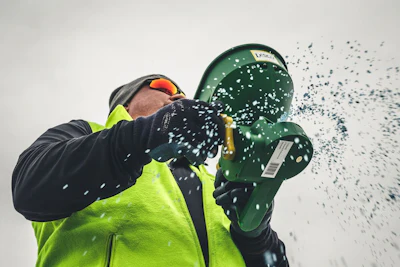
Snow and ice management can provide another way to extend services through the winter. Contractors can start by looking at the properties they already maintain and determining whether their equipment, staffing and service area make snow work a practical addition. Contractors can sell this work by reminding customers of the convenience of having one company manage all their seasonal landscape needs.
Fall and winter is also a good time to talk with customers about any future projects they may be considering for next growing season. This approach not only helps contractors build a pipeline of work before crews are fully booked, it also puts contractors in good standing with customers who know what to expect when spring arrives.
Prepare Now for the Spring Rush
Once current services are squared away, the offseason also provides a good time to reset and make sure the business is ready when the growing season returns.
Get ahead of spring material needs by reviewing upcoming projects and past purchasing patterns to determine what should be ordered ahead of time before demand, and prices, go up.
Before the first busy weeks arrive, contractors should inspect and repair equipment, take inventory of frequently used materials and identify anything that needs to be replaced. These checklist items may seem small, but they are essential to prevent delays once crews are back at full capacity.
Contractors can also get ahead of spring material needs by reviewing upcoming projects and past purchasing patterns to determine what should be ordered ahead of time before demand, and prices, go up. Having key materials on hand can help contractors move from planning to installation more quickly when the weather breaks.
Staffing is consistently cited as one of the main pain points for landscape business owners. During the offseason, business owners should assess the expected workload, identify where additional labor may be needed and set time aside for recruitment and training.
Take a Hard Look at the Business
Finally, use the offseason to step away from the day-to-day work and look at the business itself.
A detailed budget can be a game-changer for making important business decisions.
Start by thinking back on the past year and answer these questions: Which types of jobs were most profitable? Which customers provided the most value? And where did crews lose time or resources on work that wasn’t worth the investment? Those answers can help contractors make more informed decisions about where to focus their efforts in 2027.
If contractors don’t already have one, a detailed budget can be a game-changer for making important business decisions. It can not only help contractors better understand costs and cash flow, but it can also identify areas that weren’t profitable. Those insights can be used to refine pricing, determine which work is worth pursuing, and decide if additional equipment, training or staff is needed.
Using those observations, contractors can build a plan for the year ahead and set specific revenue and profitability targets to guide the season.
Reframing the Offseason
Contractors who take these strategies seriously may notice the offseason turn into the opportunity season. Through proper planning and preparation, contractors can make decisions that strengthen the business and make the most of the season.