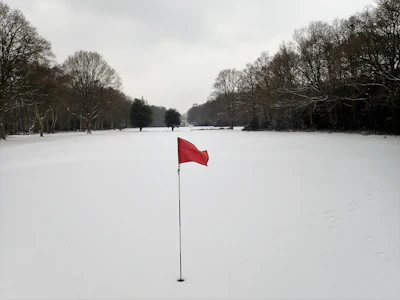
As the chill of winter sets in, golf course superintendents face a challenging season dominated by snow, ice, and the persistent threat of winter turf injury. This is not a minor concern; winter injury is a significant factor, historically affecting an estimated 10-11 percent of putting greens and fairways annually. In particularly harsh or prolonged winter seasons, this figure can often double, leading to extensive damage and costly remediation in the spring.
The period both before and after a snowfall is critical for course preparation, directly impacting the turf's ability to emerge healthy come spring. A comprehensive winter preparation strategy for turf management rests on three core pillars: proactive snow management, turf protection and conditioning, and equipment upkeep and readiness. By implementing a proactive winter strategy, grounds crews can substantially mitigate risks and improve the chances for a smooth, rapid spring transition.
- Proactive snow management involves having a clear plan for removing or redistributing snow from critical areas like greens to prevent damaging ice layers and snow mold.
- Turf protection and conditioning focuses on late autumn practices like aeration and applying protective fungicides, often utilizing specialized turf blankets to moderate soil temperature and prevent desiccation and crown injury.
- Equipment upkeep and readiness necessitates fully servicing and preparing all snow removal equipment before the season starts, while also using the off-season for in-depth maintenance of the entire fleet.
Why Snow Management Matters
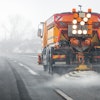
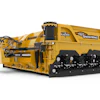
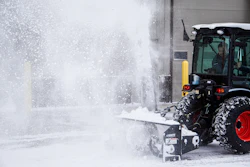
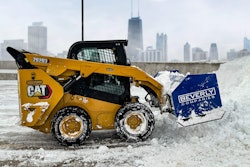
Winter snow and ice bring immediate challenges to course upkeep. A primary concern is ice encasement, which 70 percent of superintendents say can suffocate turf if not managed promptly. Efficient snow removal is critical in preventing damage, with layered removal being the safest method to protect turf crowns and minimize compaction. This is where a compact wheel loader can truly shine with its lightweight build and turf-friendly tires or tracks. It was designed to handle snow removal tasks with minimal impact on delicate surfaces.
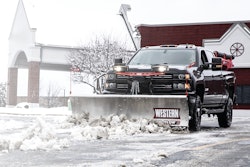
Using a compact wheel loader with the right attachments — such as high-tip material-handling buckets, rotary brooms, snow blowers or plow blades — superintendents can clear snow from greens, tees and fairways, while keeping it away from sensitive areas prone to ice encasement. This allows for a smooth, controlled snow removal process that not only safeguards turf health but also reduces the risk of diseases like snow mold. Bigger tools like this allow crews to work efficiently, getting out of the cold quicker while also avoiding injury of heavy snow removal. While one maintenance team member utilizes the loader, it frees up more hands to work with lighter tools such as hand brooms, brushes or small blower units to clear more delicate turf like greens and tees.
Winter maintenance is more than just snow and ice removal. Tools used in winter snow management often have multi-purpose use throughout the year, supporting spring preparation and general course upkeep. Aerators relieve compaction from foot traffic and vehicle use, helping fairways and greens stay healthy. Leaf blowers clear paths, tees, fairways or residual snow and debris efficiently. Mowers help manage dormant grass or clean up areas after snow melts. Heavy-duty buckets move mulch, debris and snow safely without damaging turf or landscaping. By choosing equipment that works across seasons, golf course managers can reduce costs and labor needs while ensuring year-round functionality.
By taking a proactive approach to winter maintenance, golf course operators can significantly reduce spring recovery costs, which can range from $6,000 to $9,000 annually. Proper care of turf and equipment today lays the foundation for an early spring opening, avoiding the typical two- to four-week delay due to winter injury.
To further reduce damage and prevent equipment downtime, ground crews should be trained on the care techniques that keep the course in top shape. They should avoid aggressive scraping of greens, tee boxes and sensitive areas; manage snow piles and runoff to prevent crown hydration injury; and maintain a proper equipment care schedule with parts lubrication, battery checks and safe operation in cold conditions. Careful winter care minimizes turf injury and costly spring repairs.
Preparing for Spring
Winter is not just a season of dormancy for golf course maintenance; it's a critical period for strategic planning and preparation that sets the foundation for the rest of the year. Through detailed winter observations, superintendents and their teams can systematically identify potential weak areas, such as low spots prone to standing water, recurring drainage concerns, and specific high-traffic spots that will be needing attention once the growing season begins. These observations are logged meticulously, often utilizing GPS and mapping technology, to create a proactive plan of action.
Furthermore, using versatile tools allows maintenance teams to prepare the course for early-season tasks like leveling and aeration. This preparation might involve light rolling on dormant turf to mitigate frost heaving over sensitive putting greens. This period also allows for the essential, but often overlooked, maintenance of machinery and sharpening of mower blades, ensuring equipment is in peak condition for the spring rush.
Taking proactive steps is especially important for financial and operational reasons. Studies of golf courses in the northern U.S. and Canada show that winter injury can delay openings by two to four weeks. This delay, caused by turf loss due to desiccation, ice cover, or snow mold, translates directly to significant lost revenue, disruption of member events, and increased costs associated with intense spring remediation and re-seeding. By investing time and resources in winter preparation, snow removal services and golf course management can mitigate these risks, protect valuable turf assets, and ensure the course is ready for play immediately following the spring thaw.
Winter maintenance isn’t just about getting through the season — it’s about setting the stage for a smooth, efficient, and healthy transition into spring. With the right equipment and an effective winter management plan, you should be able to handle the season’s challenges while preparing the course for a season of success.