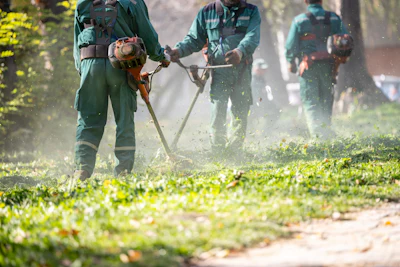
Landscaping companies operate in one of the most seasonal fleet environments in the service industry. Demand for vehicles can rise rapidly in the spring and summer months as crews expand, new properties are added, and workloads increase, only to slow significantly during the winter in many regions.
In this environment, traditional approaches to fleet ownership or long-term leasing can create inefficiencies, leaving companies paying for underutilized vehicles during slower periods or struggling to secure additional transportation during peak season demand. Many fleets operate with 20–30 percent underutilization of owned vehicles, particularly in seasonal or cyclical industries, resulting in unnecessary fixed costs. As a result, many landscaping businesses should consider more flexible, short-term fleet solutions to better manage seasonal demand, control costs, and improve overall operational efficiency.
Why Seasonality Creates Utilization Challenges
Transportation demand in the landscaping industry is heavily driven by seasonal service cycles. In northern areas, activity typically ramps up in early spring and continues through September or October, creating a concentrated period where additional vehicles and staff are needed to support operations.
For many companies, this means hiring seasonal employees, servicing more properties, and expanding crews during peak months. However, once the season slows, businesses are often left with vehicles that sit idle for extended periods, incurring insurance, maintenance, depreciation, and storage costs.
To address these fluctuations, many landscaping companies are adopting short-term, flexible leasing models that allow them to match fleet size and duration to their actual needs.
Snow removal and winter property services create a different type of seasonal demand. In these cases, pickup trucks equipped with tow hitches, electrical hookups, and plows may remain active year-round, though overall fleet needs may still fluctuate significantly throughout the year. This creates a utilization gap in which owned or long-term leased vehicles are not consistently aligned with actual operational demand.
To address these fluctuations, many landscaping companies are adopting short-term, flexible leasing models that allow them to match fleet size and duration to their actual needs. Instead of committing to permanent ownership or multi-year leases, businesses can secure vehicles for specific timeframes, such as four- to six-month peak landscaping seasons or customized seasonal cycles.
This flexibility allows companies to scale fleets up or down depending on staffing levels, new contracts, or changing workloads. For example, a company may initially secure six trucks ahead of the season, then quickly add two more vehicles if additional accounts are acquired or hiring expands faster than expected.
Flexible programs can also support varying operational structures. Some companies may only require vehicles during peak summer months, while others may operate year-round with different fleet configurations for landscaping and snow removal seasons.
Early planning is critical to ensuring vehicle availability before the busy season begins.
Proactive Fleet Planning Improves Operational Readiness
For landscaping companies, early planning is critical to ensuring vehicle availability before the busy season begins. Many businesses begin evaluating fleet needs in January and February, assessing staffing expectations, anticipated workloads, and the number of properties they expect to service in the coming months.
By securing vehicles 60 to 90 days in advance, companies can better align fleet delivery timelines with operational ramp-up periods and avoid availability challenges during high-demand months. Vehicles are often delivered in early spring, giving businesses time to install temporary equipment such as toolboxes or other seasonal accessories before crews become fully active.
At the same time, flexibility remains an important advantage. Established fleet clients can often adjust orders or secure additional vehicles within a matter of days or weeks if operational needs change unexpectedly during the season.
 @MightyBlue - stock.adobe.com
Shift Away From Ownership, Toward Cost Control
Historically, many landscaping businesses have relied heavily on owned fleets to support long-term operations. However, maintaining excess vehicles throughout the offseason can significantly increase operational costs without generating corresponding value.
Short-term fleet solutions help businesses avoid paying for vehicles that remain unused for portions of the year while improving overall fleet utilization. Rather than carrying unnecessary assets through slower periods, companies can align transportation expenses more closely with active revenue-generating operations. This approach also reduces exposure to rising maintenance costs, depreciation, and administrative burdens associated with managing larger owned fleets.
Maintaining a clean, up-to-date fleet supports both operational performance and customer confidence.
Access to newer vehicles is another major advantage of flexible fleet programs. Seasonal fleet solutions often provide businesses with current-model-year or late-model vehicles with low mileage and under manufacturer warranty coverage.
Newer vehicles reduce the likelihood of breakdowns and minimize downtime during peak operating periods when service interruptions can significantly impact revenue and customer relationships. When maintenance issues arise, replacement vehicle support can help businesses maintain continuity and avoid disruptions.
Vehicle appearance also plays an important role in customer perception. Modern, well-maintained trucks and vans help reinforce professionalism and brand credibility when crews arrive at residential or commercial properties. Maintaining a clean, up-to-date fleet supports both operational performance and customer confidence.
How Broader Seasonal Industries are Adopting Similar Fleet Strategies
The operational challenges facing landscaping companies are not unique. Many seasonal industries, including pool service providers, agriculture operations, summer programs, and property maintenance businesses, are adopting similar flexible fleet strategies to better align transportation needs with seasonal demand.
In agriculture, for example, fleet demand often increases during planting and harvesting periods, while pool service companies experience concentrated demand during warmer months. Across these industries, businesses are increasingly recognizing that fleet flexibility can improve utilization, reduce unnecessary costs, and create greater operational agility.
In today’s environment, fleets can be viewed not simply as fixed assets but as strategic operational tools that can be adjusted based on business demand, seasonality, and growth opportunities.
As landscaping companies continue to navigate labor fluctuations, rising operating costs, and changing seasonal demands, a more flexible approach to fleet management is becoming increasingly important. By aligning vehicle access with actual usage patterns and proactively planning for peak seasons, businesses can improve utilization, control costs, maintain operational continuity, and position themselves for long-term success.





![Linxup 3 Camera History Day 1 x B Ac Rj4jlt[1]](https://img.greenindustrypros.com/mindful/acbm/workspaces/default/uploads/2026/08/linxup-3-camera-history-day-1xbacrj4jlt1.xMpOqhQRaP.png?ar=16%3A9&auto=format%2Ccompress&bg=fff&dpr=2&fill-color=fff&fit=fill&h=135&q=70&w=240)