
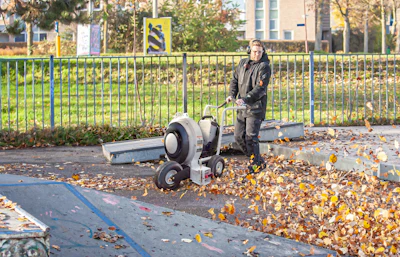
Transitioning a fleet to electric equipment doesn’t require an all-or-nothing overhaul; many operations choose to start by adding just one or two battery-powered machines to test the waters. Still, decoding the spec sheets for those trial units can often feel like a task reserved for electrical engineers. The underlying concepts are the same, but the technical jargon in modern battery-powered equipment brochures can make it hard to figure out how much work a machine can actually do when it hits the field.
Underneath all the acronyms and buzzwords, the new terminology describes the exact same fuel tanks, engine power and routine maintenance professionals already know inside and out. One doesn’t need to be an engineer to protect their investment or run an efficient fleet; they just need the ability to translate complicated battery lingo into everyday landscaping terms. This easy-to-read cheat sheet can help.
The 'Fuel Tank' (Capacity & Power)
Think of these as the primary metrics that determine how much work a crew can get done before the day is over.
- kWh (Kilowatt-hour): This is the fuel tank size. For a pro landscaper, it’s the most critical metric because it tells them exactly how long a machine can run before it needs to be plugged in and recharged.
- kW (Kilowatt): This is the engine power. A higher kW rating gives a machine the muscle to power through without the motor bogging down.
- Ah (Amp-hour): This term is used mostly for smaller handheld tools. It’s important to understand how Ah relates to kWh when comparing the energy of a string trimmer to the heavy-duty power of larger equipment.
- Nominal vs. Peak Power: Nominal is “cruising speed,” or the power used during normal operation. Peak power is that extra burst of juice that’s needed for a split second to engage attachments or climb a steep hill.
Making the jump from gas to battery power doesn’t mean throwing out decades of landscaping experience.
The 'Gas Station' (Charging Infrastructure)
Whether back at the shop or out on the job, a charging setup is an operational lifeline.
- SoC (State of Charge): This is the electric fuel gauge. It indicates how much battery life is left, and understanding it can help determine percentage versus voltage.
- Level 1 vs. Level 2 Charging: Level 1 uses a standard 120V outlet for overnight charging. Level 2 uses a 240V outlet (like a heavy-duty dryer plug) and is essential when a fast midday turnaround is needed.
- Inverter: Think of this as a mobile power station for a truck or trailer. It converts DC battery power into AC power so smaller handheld tools can be charged on the go between jobs.
- Opportunity Charging: This is the pro habit of “topping off” the battery in between jobs or in transit to squeeze more runtime out of a day.
- Passive vs. Active Cooling: This is how a charger or battery handles heat. It becomes a major factor when battery-powered equipment is sitting in a hot, enclosed trailer in the middle of July.
Maintenance & Longevity (The Lifespan of Your Investment)
Landscapers care deeply about ROI, and these terms directly explain the long-term life and health of that investment.
- Cycle Life: This is the overall engine life of the battery. It represents how many times a battery can be charged and discharged before it begins to lose significant capacity.
- BMS (Battery Management System): This is the on-board brain. It continuously monitors the battery to prevent it from overheating or over-discharging during a tough job.
- IP Rating (e.g., IP66/67): This is the durability score, which is crucial for landscaping. It tells you if you can safely pressure wash the equipment at the end of a muddy shift or if the machine can handle a sudden downpour.
- Depth of Discharge (DoD): Draining a battery to 0% is harder on the equipment than running a gas tank to empty. DoD measures how deeply the battery is drained and explains how that affects its long-term health.
- Self-Discharge Rate: This is the percentage of power batteries naturally lose while sitting idle in the off-season.
By getting comfortable with this new terminology, professionals can cut through the noise, protect their investment and build a smart, efficient fleet that lets crews run all day.
A Full-System Solution Edge
When integrating battery power into an existing lineup — even if it is just a single machine — selecting the right equipment from the start is vital. The most reliable units utilize a completely integrated, full-system setup. Ideally a machine’s battery, motor, motor controller and charger would all be sourced from the same manufacturer for the most seamless experience.
Here are three key terms that describe how a full-system machine communicates and operates as one seamless unit:
- Swappable vs. Fixed: Swappable batteries allow professionals to swap and go so they never have to stop working. Fixed systems feature integrated batteries designed as permanent power plants for larger, heavy-duty machinery.
- 48V System: This is the recognized sweet spot for commercial landscaping. It delivers professional-grade power without requiring the high-voltage safety certifications that usually require a specialized mechanic.
- CANbus Communication: This is a high-tech internal network where the battery, motor and motor controller talk to each other in real time to optimize performance and keep a machine running at peak efficiency.
At the end of the day, making the jump from gas to battery power doesn’t mean throwing out decades of landscaping experience. Terms like kWh, BMS and cycle life are really just a new way to talk about fuel tanks, engine protection and the overall lifespan of equipment.
By getting comfortable with this new terminology, professionals can cut through the noise, protect their investment and build a smart, efficient fleet that lets crews run all day. They have the vocabulary to know exactly what it takes to get the job done and ensure that their new battery-powered equipment can keep up.









![Linxup 3 Camera History Day 1 x B Ac Rj4jlt[1]](https://img.greenindustrypros.com/mindful/acbm/workspaces/default/uploads/2026/08/linxup-3-camera-history-day-1xbacrj4jlt1.xMpOqhQRaP.png?ar=16%3A9&auto=format%2Ccompress&bg=fff&dpr=2&fill-color=fff&fit=fill&h=135&q=70&w=240)