Ground conditions aren't going to adapt to your plan, so your plan needs to adapt to them. What starts as soft, workable soil can give way to dense clay or rocky ground farther along an installation. When that happens, the equipment that worked well at the beginning of the job may no longer be the most efficient option.
Preparing for changing conditions starts before the first cut. Walking the jobsite, understanding the installation requirements and anticipating different soil types can help crews make informed equipment decisions from the outset. But even the best preparation can't account for everything crews may encounter once work is underway.
Landscape and irrigation contractors face changing conditions regularly when choosing between plowing and trenching. Each method has its advantages, and knowing when to use one over the other can help crews work efficiently while minimizing ground disturbance and restoration.
The Lay of the Land
No two jobsites are exactly alike, and even a single property can present several different ground conditions along an installation route.
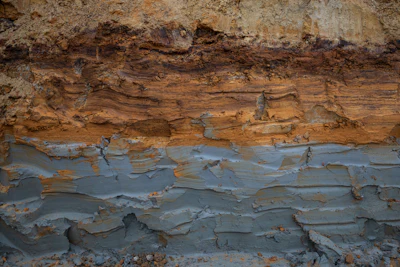
Sandy soils may be easier to penetrate but can be prone to shifting or collapsing when excavated. Dense clay can create greater resistance, particularly when conditions are dry and compacted. Rocky ground presents another set of challenges, potentially requiring different digging teeth, chains or attachments to maintain productivity.
Even with careful preparation, some conditions won't become apparent until work is underway.
Before work begins, walking the proposed installation route can help crews identify potential challenges. Changes in elevation, drainage patterns, exposed rock and areas where previous construction may have disturbed the ground can all offer clues about what crews might encounter once installation begins.
Surface conditions won't always tell the full story of what's underground. Local equipment dealers can help fill in some of those gaps, drawing on their experience with the area's soil and terrain to recommend equipment configurations suited to the work.
Ground conditions are only part of the equation. Installation depth, pipe or cable diameter, available working space, and the location of existing underground utilities should also factor into equipment selection. Crews should follow applicable utility locating requirements before disturbing the ground.
Even with careful preparation, some conditions won't become apparent until work is underway. Understanding the capabilities and limitations of different installation methods gives crews more options when the ground doesn't match what they expected.
The Right Tool for the Terrain
Vibratory plowing is often an efficient option for installing flexible pipe, cable or wire in landscaping and irrigation applications. The plow blade moves through the ground, creating a narrow opening as the material is installed below the surface.
Because the process doesn't require excavating an open trench, plowing can significantly reduce surface disturbance, backfilling and restoration. That's particularly valuable on established lawns, golf courses and other finished landscapes where preserving the surrounding turf is a priority.
However, plowing isn't the best fit for every installation. Dense, compacted clay or rocky ground can create resistance that affects equipment performance. Installation depth, material type and underground obstructions can also influence whether plowing is practical.
Trenching offers another option, particularly when crews need an open excavation or encounter conditions that make plowing difficult. Different digging chains and attachments allow trenchers to work across a range of soil types.
Cup-style digging chains are generally suited for softer soils with limited rock, while combination chains incorporate different tooth styles to handle more demanding conditions. In rocky ground, specialized attachments such as rock saws may be appropriate.
A method that works well across one stretch of a property may become less effective as soil conditions change. Recognizing when it's time to adjust can help crews avoid losing valuable installation time.
A Change of Course
That ability to adapt proved valuable during a major irrigation renovation at two championship golf courses at WinStar World Casino and Resort in Oklahoma. Texas Diamond Irrigation & Landscaping was tasked with replacing irrigation infrastructure across all 36 holes in just four and a half months. Projects of this scale are often completed in phases over several years, but this renovation required the contractor to install new pipe, thousands of sprinkler heads, and miles of wire within a much tighter window. With other contractors simultaneously reshaping the courses and preparing for new turf, Texas Diamond needed to maintain installation progress while limiting disruption across the property.
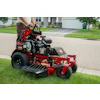
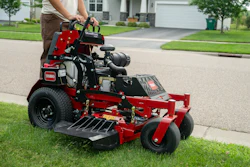
Ground conditions varied throughout the courses, making the ability to switch between plowing and trenching particularly valuable. With a ride-on trencher capable of both applications, the crew could adjust its installation method without bringing in another machine.
In areas with sandy, workable soil, plowing allowed the crew to move quickly while minimizing surface disturbance. At times, crews could install nearly all the lateral irrigation line for a single golf hole in one day.
When heavier clay made plowing more difficult, the crew switched to trenching and continued working. The ability to switch methods helped maintain installation progress as ground conditions changed, contributing to a renovation completed without missed deadlines.
Stay Ahead of the Curve
Even the most carefully planned installation can encounter unexpected conditions once work begins. The key is recognizing when those changes call for a different approach.
Slower production, increased resistance or difficulty maintaining the intended installation path can all be signs that the original method is no longer the best fit. Paying attention to those indicators can help crews make adjustments before minor challenges turn into costly delays.
The better crews understand what they're working with, the better prepared they'll be for whatever the ground throws their way.