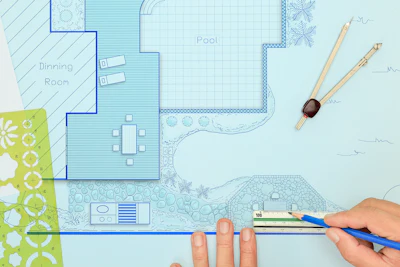
Landscape professionals have long understood the importance of balance, flow and visual harmony. Every pathway, planting bed, lighting fixture and gathering space is carefully considered to create an environment that feels natural and inviting. As outdoor living spaces become increasingly sophisticated, audio deserves the same level of attention.
Many homeowners now expect outdoor audio to deliver the same quality and consistency they enjoy indoors. Whether entertaining guests by the pool, relaxing on a patio or moving through a garden, they want music and audio to feel like a seamless part of the environment rather than an afterthought. The biggest mistake we see is treating outdoor audio as something to be added once the landscape is complete. In reality, acoustics and speaker placement should be considered just as early as lighting, planting and hardscape design. Like every other element of a successful outdoor environment, great audio begins with thoughtful planning.
Think Listening Areas, Not Speaker Locations
Too often, outdoor audio design begins with where speakers will be installed rather than how people will use the space.
Rather than asking where a speaker should go, it is often more useful to ask where people will spend time, how they will move through the property and what kind of atmosphere they want in different areas.
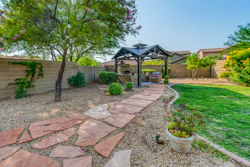
Homeowners don't experience a landscape from a single point. They move between gathering areas, pathways, outdoor kitchens, pools, fire pits and gardens throughout the day and into the evening. The audio experience should move with them. Rather than asking where a speaker should go, it is often more useful to ask where people will spend time, how they will move through the property and what kind of atmosphere they want in different areas.
Thinking this way naturally leads to an audio pathway approach, where sound flows throughout the landscape rather than treating individual areas as isolated zones. The result is a more consistent and immersive listening experience that feels connected to the overall design of the property.
Coverage Matters More Than Volume
When homeowners feel outdoor audio isn't performing well, the first instinct is often to turn the volume up. Volume is rarely the issue.
More often, the issue is acoustics and speaker placement. Unlike indoor environments, outdoor spaces offer few natural boundaries to control sound, making it essential to understand how hardscaping, planting and topography influence the listening experience.
A better approach is often to distribute sound more evenly throughout the landscape. Multiple speakers operating at lower volume levels can create a richer, more consistent listening experience while also reducing the likelihood of disturbing neighbors.
From a placement perspective, it is generally more effective to bring sound closer to the listener rather than attempting to project it across large distances. Positioning loudspeakers around seating areas, pathways and gathering spaces typically produces better results than relying on a small number of units mounted far away from where people actually spend their time.
The goal is not to hear where the speakers are, but to create the impression that sound is emerging naturally from the landscape itself.
 Coastal Source
Consider How the Landscape Shapes Sound
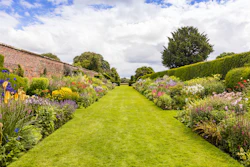
Landscape professionals spend considerable time thinking about how materials, structures and planting influence the look and feel of a space. Those same elements can also affect how sound behaves.
Understanding that the landscape itself plays a role in the listening experience can help inform better placement decisions and create more natural-sounding results.
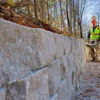
Hardscape surfaces such as stone walls, patios and architectural features can reflect sound, while dense planting can help soften and diffuse it. Elevation changes, retaining walls and outdoor structures can also influence how audio travels across a property.
For example, a seating area bordered by stone surfaces may benefit from a different speaker arrangement than an open lawn or garden space. Likewise, positioning speakers so they complement the natural flow of the landscape can often produce a more balanced listening experience than simply placing them wherever space is available.
While this doesn't require becoming an acoustics expert, understanding that the landscape itself plays a role in the listening experience can help inform better placement decisions and create more natural-sounding results.
The most successful projects treat outdoor audio as another design element — one that works with planting, hardscaping and lighting throughout the design process.
Creating a More Complete Outdoor Experience
Outdoor living spaces are incredibly dynamic. Homeowners add features, expand entertainment areas and adapt their properties as their needs change. That is why infrastructure planning matters.
Even if outdoor audio isn't part of the initial project scope, considering future cable routes, power provision and expansion opportunities during the design phase can save significant time, disruption and expense later.
Planning ahead shouldn't stop with infrastructure. Selecting outdoor audio technology that can be expanded over time, and engineered to withstand years of exposure to the elements, makes it easier to adapt as outdoor spaces evolve, protecting the long-term investment while avoiding unnecessary disruption in the years ahead.
Great outdoor audio is rarely defined by the number of speakers installed. Instead, it's measured by how naturally sound becomes part of the landscape — supporting conversation, enhancing atmosphere and connecting every part of an outdoor space without drawing attention to the technology behind it.
For landscape professionals, that's an opportunity. As outdoor living continues to evolve, considering acoustics and speaker placement from the earliest stages of a project can help create landscapes that are every bit as immersive as they are visually compelling.