Every summer seems to bring another headline about record temperatures, drought conditions, or extreme weather. But for anyone who landscapes, these conditions are more than just headlines. They’re stress tests.
Extreme summer weather has a way of exposing weaknesses that were already present in a landscape. Plants that are poorly matched to site conditions begin to struggle. Irrigation demands increase. Maintenance costs rise. Trees and shrubs that appeared healthy in the spring suddenly show signs of stress. While the weather is beyond our control, how landscapes respond to it is not.
Start With the Site, Not the Plant List
When temperatures rise and rainfall becomes less predictable, plant selection becomes even more important.
The goal is not simply to help plants survive difficult summers.
One of the most common mistakes in landscape design is choosing plants first and then trying to make the site work for them. A better approach is to start with the conditions that already exist. Understanding soil type, drainage patterns, sun exposure, wind conditions, and available moisture helps determine which plants are most likely to succeed during periods of environmental stress.
Plants that are naturally adapted to the conditions of a site generally require less irrigation, fewer inputs, and less intervention during extreme weather events.
The goal is not simply to help plants survive difficult summers. It is to select plants that can continue performing when those conditions become more common.
Soil Health Matters More Than Most People Realize
During the summer, people often worry about irrigation versus soil. While water is important, soil health should be the topic of conversation during the summer.
When the soil is healthy, it retains moisture more effectively than when it’s dry. This also allows the soil to support stronger roots and help plants withstand periods of heat and drought. Poor soils tend to dry out quickly, increasing stress on both irrigation systems and plants.
Investing in soil health before problems occur can significantly improve the performance of a landscape during extreme summer conditions.
In many cases, improving soil structure and organic matter can provide benefits that no irrigation schedule alone can accomplish.
Trees are one of the Best Long-term Investments
As temperatures continue to rise, trees become increasingly important components of commercial landscapes. A healthy tree canopy provides shade, reduces surface temperatures, and helps create more comfortable environments for people. Trees can also help dampen the heat island effect commonly found in commercial and urban settings.
Too often, trees are viewed primarily as aesthetic features. But in reality, they function as infrastructure.
Well-placed trees can not only improve the overall performance of a landscape but also offer other benefits beyond mere appearance.
Expanding tree canopy should be part of any long-term strategy for addressing extreme summer weather.
Not Every Plant Needs the Same Level of Maintenance
One lesson many landscape professionals are beginning to embrace is that every part of a property does not need to be managed the same way. Large expanses of intensively maintained turf frequently need extra irrigation and labor during the hottest months of the year.
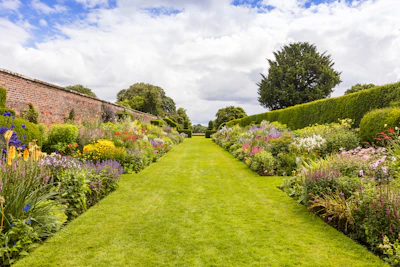
A landscape built around a diverse mix of trees, shrubs, grasses, and perennials is generally more resilient than one that relies heavily on a limited plant palette.
In some situations, portions of these areas can be converted into naturalized plantings, pollinator habitats, or lower-maintenance landscape zones. These spaces typically need less in the way of resources while still contributing visual interest and ecological value, allowing maintenance efforts to be focused where they matter most and reducing pressure on areas that may not need the same level of attention.
Extreme weather rarely impacts every plant in the same way. Some species tolerate drought exceptionally well. Others recover more quickly after periods of stress. Some continue performing despite prolonged heat. This is one reason diversity remains such an important design principle.
A landscape built around a diverse mix of trees, shrubs, grasses, and perennials is generally more resilient than one that relies heavily on a limited plant palette. Diversity helps spread risk and increases the likelihood that portions of the landscape will continue performing even when conditions become challenging.
Designing for the Summers Ahead
Extreme summer weather is not an occasional challenge. For many regions, it’s something that needs to be a part of any landscape management strategy. And it’s not just about increasing or improving irrigation or even maintenance efforts every year. Landscape management needs to include rethinking how landscapes are designed for all weather year after year.
Plant selection, soil health, tree canopy, diversity, and maintenance strategies all influence how a landscape performs under stress.
At the end of the day, the landscapes that are the most successful are not the ones that received the most attention during the hot summer months. But they’re the ones that were originally designed to work with their environment rather than constantly fighting it.
As summer conditions continue to test landscapes across the country, resilience will become one of the most valuable design features a property can have.